
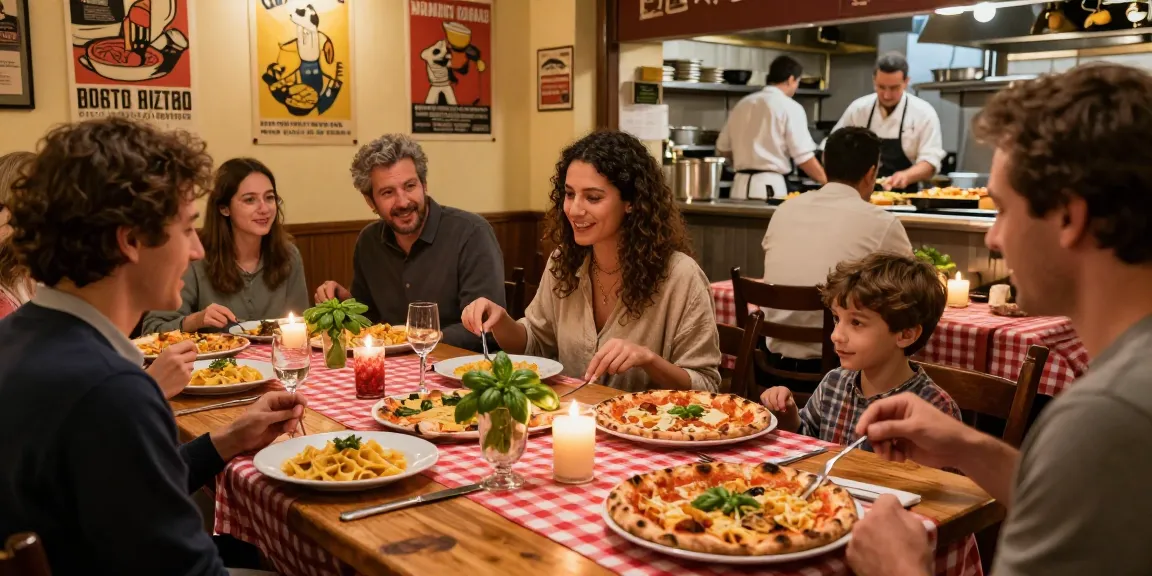
Understanding pg soft: The Basics of Authentic Italian Cuisine
Italian cuisine is celebrated worldwide for its rich flavors, diverse ingredients, and, most importantly, its emphasis on authenticity. Central to this authenticity is the concept of pg soft, which refers to the gentle yet profound harmony of traditional cooking methods and fresh ingredients that embody the true essence of Italian dining. This article delves into the intricacies of pg soft, its key elements, and how it enhances the overall dining experience, especially in places like Pizzeria Madera.
What is pg soft and its role in Italian gastronomy?
Pg soft represents the foundational approach to cooking that prioritizes quality and simplicity. In Italian gastronomy, this means selecting the best available ingredients and preparing them in a way that highlights their natural flavors. Traditional Italian chefs often emphasize the importance of sourcing local produce, meats, and cheeses, ensuring that every dish reflects the region’s unique identity.
For example, a classic Margherita pizza, which features just three primary ingredients—tomatoes, mozzarella, and basil—exemplifies pg soft. The quality of each component is crucial, from the San Marzano tomatoes to the fresh basil, creating a dish that is genuinely Italian in character.
Essential ingredients for creating authentic Italian dishes
To truly master Italian cuisine through the lens of pg soft, one must understand the essential ingredients that form the backbone of many beloved dishes:
- High-quality olive oil: A staple in Italian cooking, it enhances flavor and adds richness to salads and pasta.
- Fresh herbs: Ingredients like basil, oregano, and parsley bring freshness and depth to a variety of dishes.
- Locally sourced cheeses: Mozzarella, Parmigiano-Reggiano, and Pecorino Romano are essential for authentic flavor.
- Seasonal vegetables: Ingredients such as zucchini, eggplants, and tomatoes are used in numerous recipes to create vibrant meals.
- Artisanal pasta: The heart of many Italian dishes, pasta should be made with high-quality semolina flour to capture traditional textures.
These ingredients not only reflect the principles of pg soft but also contribute to the authenticity and richness of Italian gastronomy.
How pg soft enhances the dining experience
Dining at its core is about sharing and enjoying great food, and pg soft encapsulates this philosophy. The combination of high-quality ingredients and simple preparation techniques fosters a dining experience that is both convivial and satisfying. When patrons savor dishes made with pg soft principles, they connect not only with the flavors but also with the cultural traditions of Italy.
Furthermore, the interaction between dishes, such as pairing an exquisite pasta with a well-chosen wine, illustrates how pg soft emphasizes balance and harmony in meals. This mindful approach to dining helps create memorable experiences, making every meal a celebration.
Diving Deeper into Italian Dishes and Their Preparations
Exploring Italian cuisine means going beyond mere recipes; it involves understanding the stories behind iconic dishes and the techniques that make them special.
Exploring iconic Italian antipasti and their significance
Antipasti, which translates to „before the meal,“ includes a variety of appetizers that set the stage for the dining experience. These appetizers are often composed of cured meats, cheeses, olives, and marinated vegetables. They not only serve to whet the appetite but also to introduce the flavors of Italy’s diverse regions.
In a restaurant like Pizzeria Madera, the antipasti selection might feature classic items such as bruschetta, which highlights ripe tomatoes and basil on toasted bread, or a charcuterie board laden with prosciutto, salami, and artisanal cheeses, perfectly embodying the principles of pg soft.
Step-by-step guide to making the perfect pizza
Creating the ideal pizza involves more than just throwing ingredients together; it requires attention to detail and adherence to tradition. Here’s a brief guide:
- Prepare the dough: Use high-quality flour, water, yeast, and salt. Allow the dough to rise slowly for better flavor.
- Shape your base: Hand-stretch the dough rather than using a rolling pin to maintain its airy structure.
- Choose your sauce: For a classic Margherita, use crushed San Marzano tomatoes seasoned with salt and a drizzle of olive oil.
- Add toppings: Use fresh mozzarella and basil, keeping it true to traditional flavors.
- Bake: Cook in a wood-fired oven at high temperatures to achieve a crispy crust and bubbly cheese.
This process showcases the pg soft approach, focusing on quality ingredients and traditional techniques for a perfect pizza.
Traditional pasta recipes that highlight pg soft
Pasta is a cornerstone of Italian cuisine, and various regional recipes exemplify the concept of pg soft. Dishes like spaghetti carbonara, made with eggs, cheese, pancetta, and pepper, or the classic lasagna with layers of pasta, meat, and béchamel, emphasize the richness of ingredients used.
Using fresh pasta, which is often made from scratch in traditional kitchens, enhances these dishes significantly. The process of making fresh pasta mirrors the principles of pg soft by emphasizing the hands-on crafting of food, connecting the chef to the quality of their ingredients.
The Art of Wine Pairing with Italian Cuisine
To complement the robust flavors of Italian dishes, understanding wine pairing becomes essential. The right wine can elevate a meal, allowing for a more immersive dining experience.
Understanding Italian wines: Types and regions
Italy is home to a diverse array of wines, each reflecting the unique characteristics of its region. Key types include:
- Chianti: Famous for its Sangiovese grape, this wine pairs beautifully with tomato-based dishes.
- Barolo: Known as the „king of wines,“ it complements rich, meaty dishes like osso buco.
- Prosecco: A sparkling wine that makes for an excellent aperitif and pairs well with light appetizers.
Each region has its standards and specialties, showcasing the importance of local ingredients and traditional production methods.
Best wine pairings for pizza and pasta dishes
Pairing wines with Italian cuisine requires a thoughtful approach:
- For pizza: A medium-bodied red, such as Chianti or a Dolcetto, complements the flavors of tomato and cheese.
- For pasta: Creamy sauces work well with whites like Pinot Grigio, while richer sauces can be paired with robust reds.
By understanding these pairings, diners can enhance their culinary experience and truly embrace the pg soft philosophy.
Innovative approaches to enhancing flavors through pairings
With evolving culinary trends, innovative pairings are becoming increasingly popular. Consider experimenting with:
- Herbal infusions: Wines infused with herbs can echo the flavors in dishes, creating harmonious experiences.
- Regional pairings: Pairing wines from the same region as the dish enhances the authenticity of the meal.
These approaches not only deepen the appreciation of flavors but also encourage a greater understanding of Italy’s rich gastronomic heritage.
Creating the Ideal Dining Experience at Home
While dining out at a restaurant provides a unique experience, replicating the charm of Italian dining at home can also be immensely rewarding. Here are some tips to help you do just that.
Setting the atmosphere: Decor and ambiance tips
To create an authentic Italian dining atmosphere, consider the following:
- Table settings: Use simple yet elegant tableware, perhaps with rustic elements such as wooden serving platters.
- Candles and soft lighting: Creating a warm and inviting ambiance enhances the dining experience.
- Background music: Traditional Italian music can evoke a sense of place, setting the mood for the meal.
These elements combine to create an inviting scene that transports diners to the heart of Italy.
How to serve meals that embody the spirit of Italy
Presentation is key when serving Italian dishes. Here are some serving suggestions:
- Family-style serving: Encourage sharing by serving dishes in large bowls on the table.
- Garnishing: Use fresh herbs and high-quality olive oil to finish dishes, adding a touch of vibrancy and flavor.
Serving meals in this manner not only emphasizes the communal aspect of dining but also pays homage to traditional Italian hospitality.
Engaging your guests with the culture and history of the dishes
Bringing the stories of each dish to life can enhance the dining experience. Share the history behind ingredients and recipes; discuss regional differences, and highlight any unique techniques used. This storytelling element transforms a meal into a memorable cultural journey for your guests.
Future Trends in Italian Cuisine for 2026 and Beyond
As we look ahead, several trends are emerging on the Italian culinary scene that align with modern dining expectations.
Emerging ingredients and techniques in Italian cooking
Innovation in the kitchen does not mean abandoning tradition. On the contrary, it often involves reimagining classic dishes with new ingredients and techniques. For instance:
- Plant-based ingredients: As more diners seek vegetarian and vegan options, traditional Italian dishes are being adapted to include more vegetables and legumes.
- Fermentation: This technique is gaining traction, with chefs harnessing the power of fermentation to deepen flavors and preserve ingredients.
These innovations, while contemporary, still adhere to the principles of pg soft by focusing on quality and authenticity.
How sustainability is impacting Italian dining
With a growing consciousness surrounding environmental impacts, many Italian restaurants are prioritizing sustainable practices:
- Local sourcing: Focusing on locally sourced ingredients reduces carbon footprints while supporting regional farmers.
- Seasonal menus: Highlighting seasonal ingredients in menus minimizes waste and showcases the best available produce.
Restaurants that embrace these practices not only appeal to eco-conscious diners but also reaffirm their commitment to quality and tradition.
Predictions for the evolution of pizzerias and trattorias
Looking ahead, pizzerias and trattorias are likely to continue evolving, adapting to changing consumer preferences while retaining their cultural roots. Expect to see:
- Creative toppings: Pizzerias will experiment with global flavors, offering a fusion of traditions.
- Digital dining experiences: Enhanced online ordering systems and virtual dining experiences will redefine how we enjoy Italian cuisine.
As these trends emerge, the essence of pg soft will remain, ensuring that the dining experience is as authentic and enjoyable as ever.
What are the key features of pg soft in Italian cuisine?
Pg soft emphasizes quality, simplicity, and authenticity, encouraging chefs to focus on the natural flavors of ingredients while maintaining traditional preparation methods.
How can I recreate an authentic Italian experience at home?
By selecting quality ingredients, respecting traditional recipes, and creating a warm atmosphere, you can replicate the essence of dining in Italy right from your own home.
What are the best practices for pairing wine with Italian dishes?
Consider regional pairings, balance flavors, and opt for wines that complement the body and richness of the food to enhance your dining experience.
Are there regional variations in Italian cuisine I should explore?
Absolutely! Explore regional specialties like Sicilian caponata or Venetian cicchetti to expand your palate and deepen your understanding of Italian gastronomy.
What future trends should I look for in Italian dining?
Expect to see an increased focus on sustainability, the introduction of innovative ingredients, and an evolution towards digital dining solutions in the coming years.
