
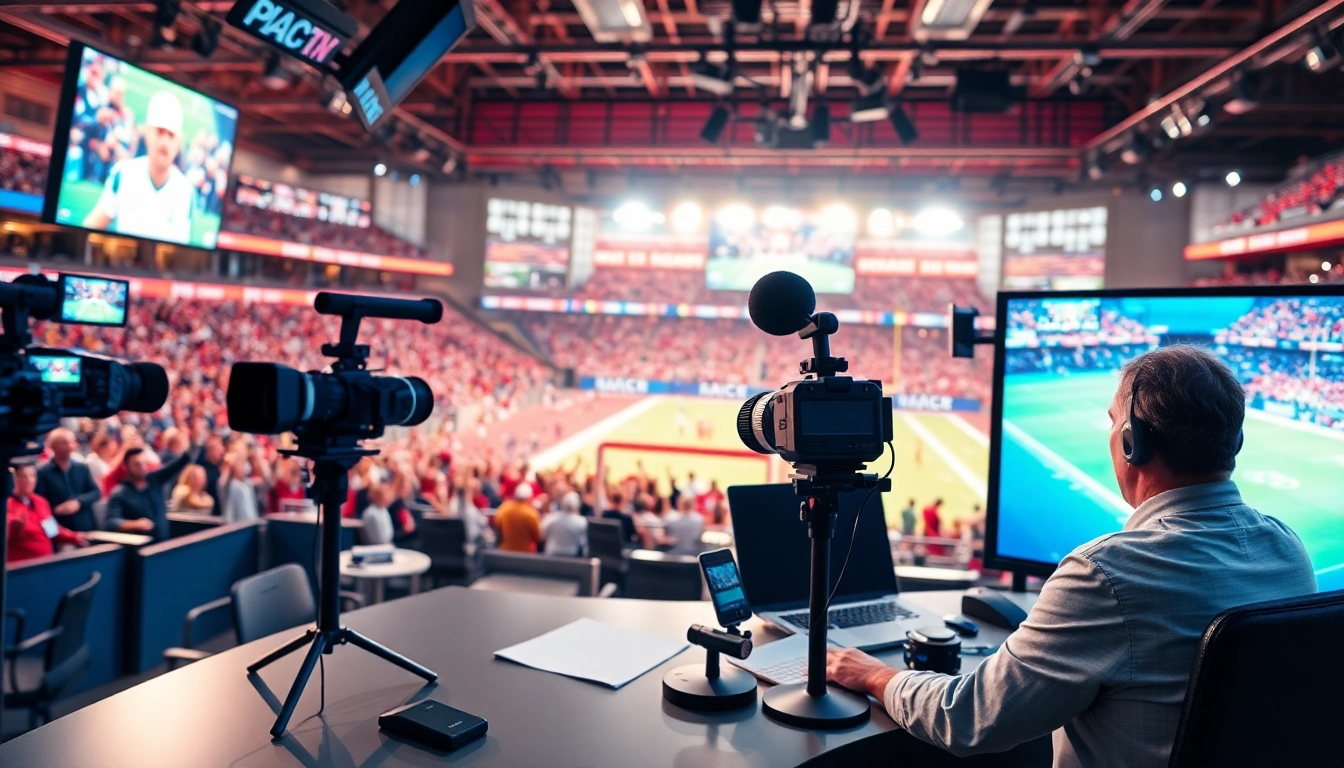
Understanding the Landscape of Sports Broadcasting
The Evolution of Sports Broadcasting
The journey of Sports Broadcasting is a fascinating tale of innovation, adaptation, and resilience. It began in the early 1920s when radio stations first broadcast sports events, allowing listeners to experience the excitement of live sports from the comfort of their homes. As technology advanced, television became the primary medium, revolutionizing how fans consumed sports. The transition from black-and-white broadcasts to color TV brought sports events to life, capturing the essence of the game and engaging viewers in unprecedented ways.
The introduction of cable television in the 1980s further transformed the landscape. It enabled specialized sports channels to emerge, granting fans access to a wider array of sporting events, including niche sports that weren’t previously covered. The advent of satellite broadcasting and the internet in the following decades marked another significant shift, as it enhanced accessibility and reach, allowing fans to watch games on-the-go.
Key Players in Sports Broadcasting
The field of sports broadcasting consists of several key players, each contributing to the ecosystem. Established television networks, such as ESPN and NBC, are major content providers, negotiating rights deals with leagues and teams to broadcast sports events. Additionally, emerging streaming platforms have disrupted traditional broadcasting models by offering direct-to-consumer services that cater to mobile viewers.
Furthermore, digital platforms like YouTube and social media channels have emerged as important players, enabling fans to engage with sports in new ways, such as through live streaming of individual games and behind-the-scenes content. Sponsorship deals and advertising revenue play a critical role in the financial structure of sports broadcasting, impacting the types and quantities of sports coverage available to the public.
Technological Advances in Sports Broadcasting
Technological advancements have been pivotal in shaping sports broadcasting. High-definition (HD) and ultra-high-definition (UHD) technologies have dramatically improved visual quality. Innovations such as instant replays and multiple camera angles enhance viewer experience, allowing audiences to catch every crucial moment of a game.
The rise of augmented reality (AR) and virtual reality (VR) technology offers fans immersive experiences, allowing them to feel as though they are present at the event. Moreover, enhancements in data analytics have created opportunities for broadcasters to deliver real-time statistics and performance metrics, enriching the viewing experience and catering to the analytical tastes of sports fans.
Impact on Audience Engagement
Strategies for Captivating Viewers
In an era where audience engagement is paramount, sports broadcasters must adopt various strategies that resonate with viewers. Storytelling is one such powerful technique. Engaging narratives surrounding players, teams, and matchups can draw viewers in, providing a context that enhances their emotional investment in the event.
Live interactive features also play a vital role in maintaining viewer interest. Fans can participate in real-time polls, vote for player of the match, and access interactive stats during games, which fosters a sense of community and increases overall enjoyment. Collaborative content creation with influencers and athletes through social media platforms can further enrich the engagement strategy.
Utilizing Social Media in Sports Broadcasting
Social media has revolutionized how sports broadcasters engage audiences. Platforms like Twitter, Instagram, and Facebook allow for immediate interaction, fostering direct communication between fans and broadcasters. Real-time updates, highlights, and behind-the-scenes footage can be shared on these platforms, keeping the audience informed and connected even when they aren’t watching live.
Utilizing user-generated content has become another effective strategy. Encouraging fans to share their own experiences, photos, and reactions not only promotes a sense of belonging but also enriches the overall narrative. Aggregating this content for broader distribution is a clever tactic in amplifying audience voices.
Measuring Viewer Satisfaction
Understanding viewer satisfaction is crucial in evaluating the effectiveness of sports broadcasting strategies. Metrics such as viewership numbers provide a quantitative basis for assessing the popularity of different programs. However, qualitative data gathered from surveys and social media interactions offer deeper insights into what fans truly value.
Regular feedback collection through polls and questionnaires can help broadcasters refine their approach and tailor content to better meet audience preferences. Advanced analytics tools can track engagement levels, indicating how well the content resonates with different segments of viewers.
Challenges in the Sports Broadcasting Industry
Navigating Legal Issues
The landscape of sports broadcasting is not without its challenges. Legal issues surrounding broadcasting rights often create barriers for both networks and digital platforms. Negotiating contracts with leagues, addressing intellectual property concerns, and ensuring compliance with regional laws can complicate broadcasting arrangements.
Maintaining transparency and fostering strong relationships with content owners, while also ensuring flexibility in evolving legal frameworks, is essential for broadcasters to thrive in a dynamic market.
Adapting to Audience Preferences
Audience preferences are in constant flux, influenced by emerging trends and shifting consumption habits. Today’s viewers demand personalized viewing experiences, seeking content that resonates with their interests and lifestyles. Broadcasters must be agile, adapting programming and delivery methods to align with these evolving preferences.
Utilizing audience data to analyze viewing patterns and preferences is fundamental in crafting a broadcast strategy that meets viewer expectations. The integration of audience feedback loops, where viewers can communicate their preferences, further enhances adaptivity.
Overcoming Technical Difficulties
Technical difficulties can derail even the most well-planned broadcasts. Issues such as connectivity problems, equipment failure, and inadequate infrastructure can disrupt viewer experience. To combat these challenges, broadcasters need to invest in reliable technology and have contingency plans in place.
Regular system checks and updates, along with training for staff on handling technical issues, can mitigate potential disruptions. Additionally, utilizing cloud-based broadcasting solutions can enhance flexibility and resilience in managing broadcasting operations.
Innovative Techniques in Sports Broadcasting
Augmented Reality in Sports Broadcasting
Augmented Reality (AR) is changing the sports broadcasting landscape by creating immersive viewing experiences. AR allows fans to visualize player statistics, game strategies, and other interactive elements layered onto their view of the live action. This integration provides valuable context and enriches the fan experience.
Applications like AR graphics during live games can enhance on-screen information delivery, helping audiences grasp complex strategies and developments in real time. Broadcasters utilizing AR effectively can elevate content beyond typical broadcasts, making it feel fresh and engaging.
Interactive Features for Viewers
Interactive features have become a cornerstone of modern sports broadcasting, with many networks introducing functionalities that allow viewers to engage more deeply with content. Features such as multiple camera angles, on-demand replays, and personalized commentary enhance viewer autonomy and satisfaction.
Gamification elements—like fantasy leagues, trivia games, and predictive contests—bring additional layers of engagement, allowing fans to become active participants rather than passive observers. This shift not only increases viewer interaction but also fosters community building among fans.
Utilizing Data Analytics for Enhanced Experience
Data analytics has emerged as a game-changer in sports broadcasting. By collecting and analyzing various data points—such as viewer habits, engagement levels, and content preferences—broadcasters can develop targeted strategies that cater to specific audience segments.
Implementing data analytics tools also helps in making informed decisions regarding broadcast scheduling, content creation, and advertising strategies. The ability to tailor content delivery precisely to audience desires leads to improved viewer retention and loyalty.
Future Trends in Sports Broadcasting
The Rise of Streaming Platforms
The surge of streaming platforms is reshaping the sports broadcasting landscape. Traditional cable subscriptions are declining as more viewers turn to on-demand content. Streaming services offer flexibility, allowing viewers to watch sports whenever and wherever they choose. This shift has prompted traditional broadcasters to strategize their offerings to compete effectively.
Broadcasters must invest in creating proprietary content and exclusive deals with sports leagues to differentiate their platforms. Additionally, incorporating features such as multi-sport packages and customizable viewing experiences will be crucial in attracting subscribers.
Artificial Intelligence in Sports Broadcasting
Artificial intelligence (AI) is set to revolutionize sports broadcasting by enhancing personalization and efficiency. AI can analyze vast amounts of data to predict viewer preferences, optimize scheduling, and create tailored content recommendations.
Incorporating AI-enhanced capabilities, such as automated highlights generation and personalized chatting bots for real-time viewer interaction, can significantly elevate the audience experience. AI applications can streamline broadcasting operations, reducing costs while improving content quality.
Globalization of Sports Broadcasting
The globalization of sports is creating new opportunities and challenges in broadcasting. As various leagues and events gain popularity across borders, broadcasters must adapt their offerings to cater to diverse audiences. Localization of content, including language adaptation and cultural sensitivity, is vital for success in international markets.
This trend also extends to partnerships with global streaming platforms and co-broadcasting deals with international networks, allowing for expanded reach and capability. A global approach to sports broadcasting opens new revenue streams while enhancing viewer engagement worldwide.
FAQs
What is Sports Broadcasting? Sports broadcasting refers to the live transmission of sporting events on various media platforms, including television, radio, and online.
How has technology changed Sports Broadcasting? Technology has introduced high-definition visuals, instant replays, and interactive platforms, enhancing the viewer experience significantly.
What challenges do broadcasters face? Broadcasters face legal issues, technological obstacles, and the challenge of keeping viewers engaged in a competitive market.
How can I measure viewer engagement? Engagement metrics can be assessed through viewership numbers, social media interactions, and surveys reflecting viewer satisfaction.
What are future trends in Sports Broadcasting? Future trends include increased streaming services, the use of artificial intelligence, and a stronger focus on global sports coverage.
Über den Autor